


 Safaris
7 Key Tips for Visiting Kenya: Addressing Travel Concerns
7 Major Travel Concerns When Visiting Kenya—and How to Handle Them Like a Pro
Traveling to Kenya offers a magical blend of wild adventures, cultural immersion, and serene getaways. From the Great Rift Valley to the Indian Ocean coast, this East African gem attracts everyone from luxury travelers to backpacking nomads. However, like any top destination, Kenya also comes with real concerns that today’s travelers frequently search for—especially first-time visitors.
Whether you’re dreaming of a wildlife safari, planning a beach retreat in Diani, or seeking a soul-cleansing hike on Mount Kenya, knowing what to expect—and how to prepare—can make or break your trip.
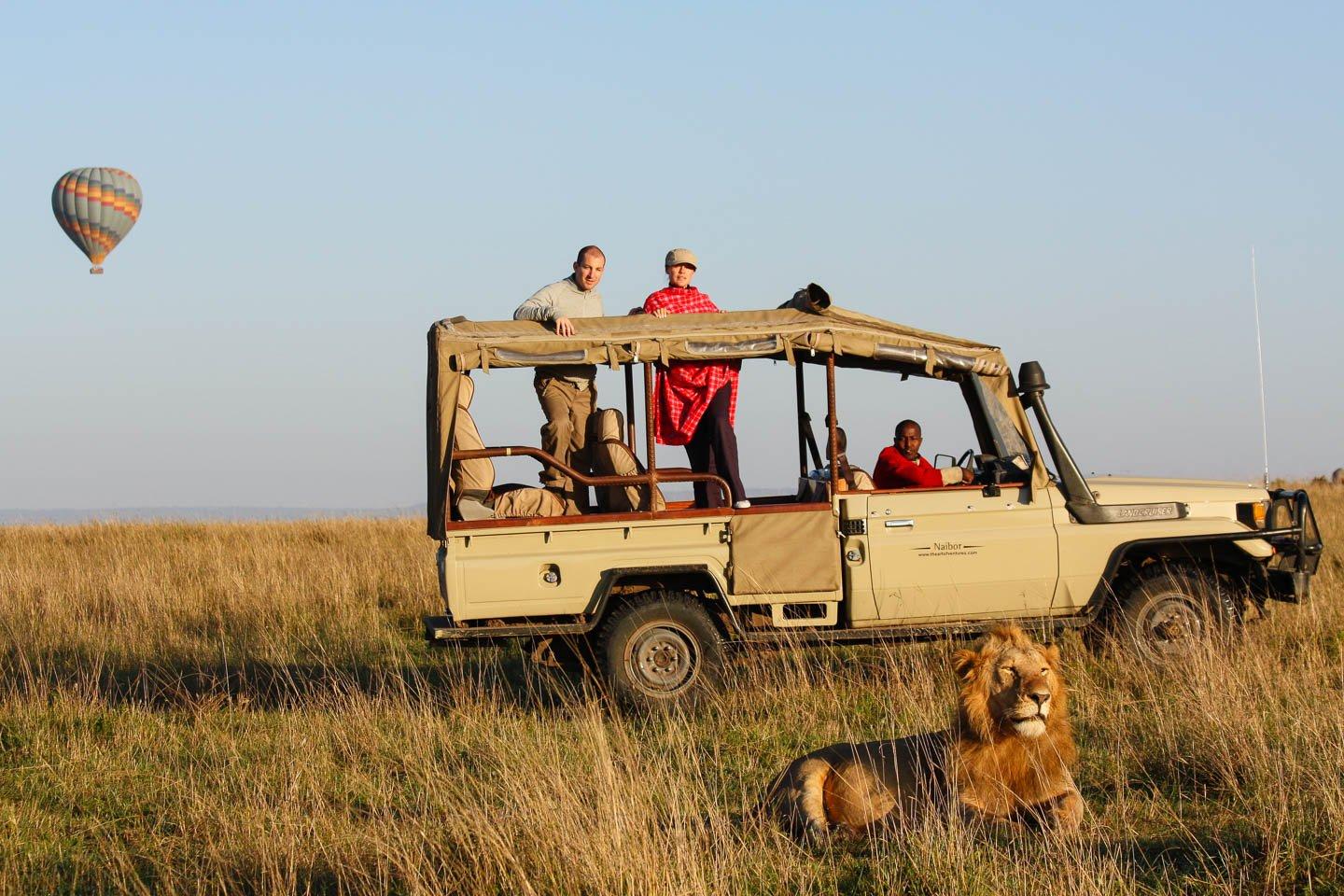
Here are the 7 most common travel concerns in Kenya, along with expert advice and updated tips to help you navigate your journey confidently and safely.
1. High Travel Costs in Kenya: Budgeting for the Best Experience
Kenya offers a world-class safari experience, but it’s no secret that costs can add up quickly. From national park entry fees to transportation and luxury lodges, many travelers worry they’ll go over budget.
Why it’s a concern:
Kenya’s national parks, especially premium ones like Maasai Mara and Amboseli, have higher fees for non-residents. Flights, especially from abroad, are also more expensive due to demand and long-haul routes.
Smart Solutions:
-
Travel during low or shoulder seasons (March–June and November) for better deals.
-
Choose lesser-known but spectacular parks like Samburu, Tsavo, or Meru.
-
Consider local guesthouses or eco-lodges, which offer a more authentic and affordable stay.
-
Book affordable safari packages in Kenya that combine transport, meals, and game drives into one.
Pro Tip: Combine Nairobi National Park with nearby attractions like Giraffe Centre and Karen Blixen Museum for a cost-effective mini-safari within the city.
2. Unpredictable Transport & Flight Delays
Long drives, domestic flight schedules, and traffic congestion in cities like Nairobi are valid worries—especially for travelers on tight itineraries.
Why it’s a concern:
While Kenya’s infrastructure is improving, transport delays still occur, especially during rainy seasons or political protests.
Smart Solutions:
-
Always leave buffer time between connections and activities.
-
Use domestic airlines such as Safarilink, Jambojet, and AirKenya for reliable connections to Lamu, Mara, or Diani.
-
For city transfers, use apps like Bolt, Uber, or Little Cab for safe rides at standard rates.
-
Avoid late-night arrivals if heading to remote destinations.
Travel Hack: Take the Madaraka Express SGR train from Nairobi to Mombasa—affordable, scenic, and stress-free.
3. Health and Safety in Remote Areas
Adventure travel is exciting, but it can come with health risks, especially in off-grid safari camps or when trekking in regions like Mount Elgon or Laikipia.
Why it’s a concern:
Limited access to medical facilities in remote areas can be a risk. Mosquitoes, water quality, and altitude also raise concerns.
Smart Solutions:
-
Get vaccinated for Yellow Fever, Hepatitis A/B, and Typhoid before traveling.
-
Carry a travel health kit with malaria pills, antihistamines, rehydration salts, and wound care items.
-
Use bottled water and avoid uncooked street food if you have a sensitive stomach.
-
Choose licensed tour operators who have emergency evacuation plans.
Bonus Tip: Most luxury and mid-range lodges offer first aid, satellite phones, and even flying doctor support if needed.
4. Connectivity vs. Digital Detox: Finding the Right Balance
Many travelers want to switch off from screens—but still need occasional connectivity for work, emergencies, or sharing memories online.
Why it’s a concern:
Some areas in Kenya—like Maasai Mara, Aberdares, or Lake Baringo—have limited mobile signal or no Wi-Fi.
Smart Solutions:
-
Decide beforehand if you want a full digital detox retreat or just scheduled “offline hours.”
-
Safaricom has the widest mobile coverage in Kenya; buy a local SIM at the airport.
-
Select eco-retreats or wellness lodges in Watamu, Nanyuki, or Tigoni that promote screen-free zones.
Suggested Read: “Best Digital Detox Destinations in Kenya for Mindful Travelers”
5. Environmental Concerns and Ethical Travel Choices
With the rise in global awareness around sustainability, travelers are more conscious about their environmental impact when exploring wildlife parks or pristine coastlines.
Why it’s a concern:
Over-tourism and careless travel can harm wildlife, coral reefs, and local communities—especially in places like Lamu or Diani Beach.
Smart Solutions:
-
Stay at eco-certified lodges that follow green practices (solar power, water recycling, local sourcing).
-
Respect park rules: never feed or approach wildlife.
-
Avoid using plastics and support local artisans and conservation programs.
Did You Know? Kenya banned plastic bags in 2017 and single-use plastics in parks in 2020—carry reusable alternatives.
6. Travel Insurance Neglect: A Risk Too Many Take
Despite the rising cost and complexity of travel, many visitors skip buying insurance—leaving them vulnerable to hefty bills or ruined plans.
Why it’s a concern:
From unexpected injuries to flight cancellations or lost bags, being uninsured can quickly turn a dream vacation into a nightmare.
Smart Solutions:
-
Always buy comprehensive travel insurance for Kenya that includes health, theft, and trip delays.
-
If doing extreme activities like hiking or scuba diving, ensure those are covered too.
-
Read the fine print: some plans exclude safari regions or political unrest.
Trusted providers: World Nomads, SafetyWing, AAR Kenya, or Jubilee Insurance.
7. Security and Political Stability Worries
Though Kenya is generally peaceful and welcoming, media coverage and past incidents sometimes make tourists hesitant—especially during election seasons.
Why it’s a concern:
Localized protests or misinformation online can cause fear among travelers, even when areas are safe.
Smart Solutions:
-
Check your embassy’s travel advisories before and during your trip.
-
Avoid political rallies, demonstrations, and isolated areas at night.
-
Travel with trusted local guides or tour agencies who know the terrain and current events.
-
Most tourist areas (coast, parks, resorts) are very safe and well-patrolled.
Areas like the Kenyan coast, Maasai Mara, and Lake Naivasha remain top-rated for safety among international tourists.
Essential Preparations for a Seamless Journey
Before setting out to explore the breathtaking landscapes of Kenya, you’ll want to ensure that your preparations are as rich as the scenery itself. Begin by understanding the diverse climate zones you might encounter, from the humid coastal regions to the cool highlands. Pack wisely; layering your clothing will help you adapt to varying temperatures throughout the day. Essentials include comfortable walking shoes for safari and hikes, as well as a light rain jacket if you’re traveling during the long rains between March and May.
In addition to wardrobe choices, consider health precautions that are necessary for a seamless adventure. Even though many parts of Kenya are safe for tourists, vaccinations against diseases like yellow fever and malaria are recommended. Don’t forget to carry a reputable insect repellent and a basic medical kit for any minor injuries. Here’s a rapid overview of key health preparations to keep in mind:
| Health Essential | Description |
|---|---|
| Vaccinations | consult your doctor about necessary vaccinations prior to travel. |
| Insect Repellent | Choose a DEET-based product to ward off mosquitoes. |
| medical Kit | Include band-aids, antiseptic wipes, and any personal medications. |
Carrying a local currency is also a good practice, as some vendors may not accept cards. Inform yourself about the cultural landmarks and their significance, as this knowledge will enrich your encounters with local communities and their heritage.
Moreover, familiarize yourself with the local customs and etiquette. Understanding greeting traditions and dining practices can substantially enhance your experience. When visiting Kenya, one of the most rewarding aspects is the opportunity to connect with the locals and gain a deeper understanding of their rich culture. To foster these meaningful interactions, start with a genuine smile and a respectful greeting. Learn a few key phrases in Swahili, such as “Jambo” (Hello) and “Asante” (thank you), which can go a long way in breaking the ice. Don’t hesitate to ask questions about their daily lives or customs, as many locals appreciate the interest and are keen to share their stories. Engaging in their practices, such as participating in traditional dances or local markets, allows you to immerse yourself in their world while building a sense of camaraderie.
Making an effort to understand the social norms is essential when interacting with people in Kenya. Remember to observe the following tips for respectful communication:
| Tip | Description |
|---|---|
| Respect Personal Space | Keep a moderate distance during conversations, especially with women. |
| Use Right Hand | Always greet and offer items using your right hand as a sign of respect. |
| Be patient | Understand that interactions may take time; relax and enjoy the process. |
| Show Appreciation | Graciously thank locals for sharing their culture and experiences. |
By embracing these practices, you’ll not only enjoy enriching conversations but also create lasting memories that reflect the vibrant tapestry of Kenyan culture. Connection to the land and its people frequently enough leaves travelers with a sense of fulfillment that transcends the ordinary tourist experience.
Staying Safe and Healthy: Practical Advice for a Worry-Free Experience
When traversing the landscapes of Kenya, ensuring your well-being should be a top priority. Stay hydrated by drinking plenty of bottled water, especially during your adventures in the heat. It’s advisable to wear light, breathable clothing to help regulate your body temperature. Always apply sunscreen to protect your skin from the equatorial sun and consider wearing a wide-brimmed hat to shield your face. If you’re planning to go on a safari, investing in insect repellent can ward off pesky bugs and reduce the risk of diseases like malaria. Make sure to pack a basic first aid kit that includes items such as antiseptic wipes, adhesive bandages, and any personal medications you may need.
Moreover, familiarizing yourself with local health facilities is essential. Research the nearest hospitals or clinics in the area of your travels so you can react swiftly in case of an emergency. It’s also a good idea to check if the facilities have the necessary equipment and if they accept international insurance.
Lastly, keep an emergency contact list handy, including the local embassy, your travel insurance provider, and personal contacts back home. With these precautions in place, you can explore the stunning beauty of Kenya with peace of mind, knowing that your health and safety are secure.
Empowered Travel Starts With Preparation
Kenya is an unforgettable destination—offering deep cultural experiences, wild beauty, and soul-stirring adventures. But just like any great journey, a bit of preparation goes a long way. By addressing these common travel concerns and planning proactively, you’ll set yourself up for a truly rewarding and stress-free trip.
Whether you’re traveling solo, with family, or as part of a group tour, remember: travel smart, stay informed, and choose sustainable and safe options whenever possible.
Ready to Travel Kenya the Right Way?
We help travelers design safe, meaningful, and eco-conscious trips across Kenya—whether you’re interested in a Maasai Mara safari, digital detox retreat, wellness escape, or cultural tour.
Get in touch today to start crafting your custom itinerary.

