

 News & Tips
Kenya Tourism 2025: Rebound, Niche Experiences, and Investment Opportunities
Kenya Tourism 2025: Rebound, Niche Experiences, and Investment Opportunities
Kenya’s tourism industry is experiencing a remarkable resurgence in 2025. After the challenges of the pandemic years, the country has bounced back with record-breaking international arrivals, booming domestic travel, and increasing investor interest. Once heavily reliant on traditional safaris, Kenya is now diversifying its tourism offerings, attracting a wider range of travelers while contributing significantly to the national economy.
The government, alongside private stakeholders, is implementing policies to support sustainable growth, infrastructure development, and product diversification. These initiatives have positioned Kenya as one of the most attractive tourist destinations in Africa and a hotspot for investment.
Kenya’s Tourism Rebound
Kenya’s tourism sector is a major contributor to the economy. Recent statistics reveal:
-
International arrivals in 2024 reached approximately 2.4 million, reflecting a strong rebound from previous years.
-
Tourism earnings grew to KSh 452.2 billion, with projections indicating KSh 650 billion in 2025.
-
The sector directly and indirectly supports 1.7 million jobs, making it a key driver of employment in the country.
Government policies have played a pivotal role in this rebound. Infrastructure improvements, including upgraded roads, enhanced airport connectivity, and digital booking platforms, have made travel across Kenya more accessible and convenient.
Moreover, public-private partnerships have helped develop world-class facilities and high-end tourism products, attracting international travelers while promoting domestic tourism.
Niche Tourism Experiences in Kenya
Kenya is no longer just about the Big Five safari. Emerging niche experiences are redefining the tourism landscape, appealing to a broader audience. Some of the most exciting niche offerings include:
1. Astro-Tourism
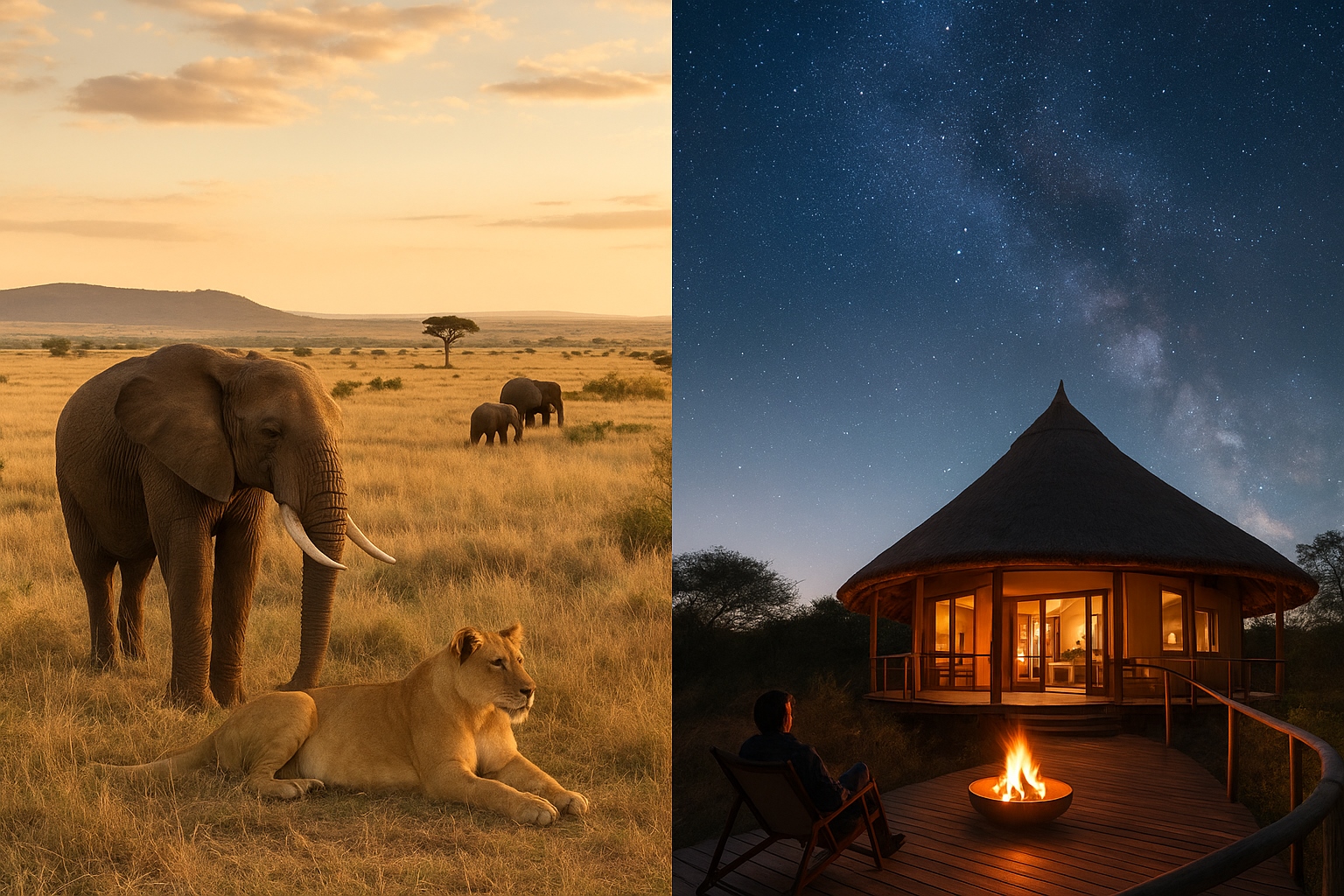
Regions such as Samburu offer breathtaking stargazing experiences. With minimal light pollution, clear skies, and innovative tourism packages, astro-tourism is attracting astronomy enthusiasts and adventure travelers seeking a unique, tranquil experience.
2. Desert Safaris
The Chalbi Desert in northern Kenya is becoming a popular destination for those looking for offbeat experiences. Desert safaris, cultural interactions with local communities, and adventure tourism activities provide a new perspective beyond traditional safaris.
3. Tech-Driven Tourism
Kenya’s “Silicon Savannah” is integrating tourism with technology. Innovation hubs and tech-based tours, especially in Nairobi and nearby areas, are attracting business travelers, digital nomads, and tech enthusiasts.
4. MICE Tourism
Meetings, Incentives, Conferences, and Exhibitions (MICE) tourism is on the rise. Cities like Nairobi, Mombasa, Kisumu, and Nakuru are increasingly hosting international conferences, business exhibitions, and incentive travel packages. This growth supports both the hospitality sector and business travel services.
5. Cruise Tourism
Kenya’s coastline is experiencing growth in cruise tourism. International cruise operators are including Mombasa and Lamu in their itineraries, bringing new visitors and supporting local businesses, from transport to accommodation and cultural experiences.
Investment Opportunities in Kenya’s Tourism Sector
The resurgence of Kenya’s tourism industry presents numerous opportunities for investors, entrepreneurs, and developers.
Luxury Lodges and Eco-Resorts
Global hotel chains and luxury brands, such as Marriott’s expansion in the Maasai Mara, are tapping into Kenya’s premium travel market. High-end safari lodges and eco-resorts are appealing to affluent tourists seeking exclusive experiences.
Domestic Tourism Products
The Kenyan government targets 10 million domestic tourists in 2025, creating opportunities for local tour operators, hotels, transport services, and event planners. Investing in accessible and affordable domestic travel packages can yield significant returns.
Sustainable Tourism Ventures
With growing awareness of environmental sustainability, eco-friendly lodges, wildlife conservation initiatives, and community-based tourism projects are increasingly attractive. These ventures not only generate revenue but also support Kenya’s ecological and social objectives.
Adventure and Experiential Tourism
From hot-air balloon safaris in the Maasai Mara to desert treks and cultural tours in northern Kenya, adventure tourism is expanding. Businesses that offer unique, immersive experiences stand to benefit from both international and domestic travelers.
Government Policies and Strategic Initiatives
Kenya’s tourism success is backed by strategic policies and initiatives:
-
National Tourism Strategy (NTS) 2025–2030 – A comprehensive roadmap aimed at guiding growth, sustainability, and inclusive development.
-
Infrastructure Development – Upgraded roads, improved airports, and digital tourism platforms make travel smoother and safer.
-
Public-Private Partnerships – Collaboration between government and private stakeholders has led to world-class facilities and new tourism products.
-
Intra-African Tourism via AfCFTA – Leveraging the African Continental Free Trade Area (AfCFTA) to attract regional tourists and integrate tourism with trade.
Challenges and Considerations
Despite growth, Kenya’s tourism sector faces challenges:
-
Environmental Risks – Luxury developments and infrastructure projects may disrupt wildlife corridors, impacting migratory patterns.
-
Community Engagement – Projects like Marriott’s Ritz-Carlton safari camp have faced legal disputes with local Maasai communities, highlighting the need for consultation and benefit-sharing.
-
Infrastructure Gaps – Certain remote destinations still lack adequate roads, air connections, and digital services.
-
Seasonality of Tourism – Coastal and safari tourism remain seasonal, affecting occupancy rates and revenue streams.
Investors and operators need to balance profitability with environmental and social responsibility to ensure long-term sustainability.
Why Kenya Remains a Top Destination in 2025
Several factors make Kenya a leading tourism destination:
-
Diverse Experiences – From Big Five safaris to niche adventure tourism, Kenya offers something for every traveler.
-
Strategic Location – As a gateway to East Africa, Kenya connects travelers to neighboring countries, supporting regional tourism growth.
-
Growing Domestic Market – Increased domestic travel reduces reliance on international arrivals.
-
Luxury Tourism Growth – High-end travelers seeking unique experiences find world-class services and accommodations.
-
Government Support – Policies, infrastructure, and incentives continue to encourage tourism investment and product diversification.
Practical Tips for Travelers in 2025
-
Book Early – With rising tourist numbers, early booking ensures access to prime safari camps and coastal resorts.
-
Consider Offbeat Destinations – Northern Kenya, Chalbi Desert, and Samburu provide unique experiences with fewer crowds.
-
Support Sustainable Tourism – Choose eco-lodges and community-based initiatives to contribute to local conservation efforts.
-
Plan for Weather – Kenya’s tourism seasons vary; the dry season (June–October) is ideal for wildlife viewing.
Kenya’s tourism sector in 2025 is vibrant, diversified, and full of opportunity. With record international arrivals, thriving domestic tourism, emerging niche experiences, and luxury investments, Kenya has cemented its status as a top African destination.
For travelers, Kenya offers unforgettable experiences, from wildlife safaris to desert adventures and stargazing. For investors, the market provides opportunities across luxury, eco-tourism, domestic travel, and experiential tourism.
However, sustainable growth requires careful planning to preserve wildlife, respect local communities, and maintain Kenya’s natural beauty. By aligning innovation, inclusivity, and environmental stewardship, Kenya is poised to continue thriving as Africa’s premier tourism destination.
Frequently Asked Questions (FAQs)
-
What is the current state of tourism in Kenya in 2025?
Kenya is experiencing a strong rebound in international arrivals, domestic tourism, and earnings, with projections of KSh 650 billion in revenue. -
How many international tourists visited Kenya in 2024?
Approximately 2.4 million international tourists visited Kenya in 2024. -
What are Kenya’s top safari destinations?
Maasai Mara, Amboseli, Tsavo, Samburu, and Nairobi National Park remain top safari destinations. -
What is niche tourism in Kenya?
Niche tourism includes experiences beyond traditional safaris, such as astro-tourism, desert safaris, tech tourism, and cruise tourism. -
Is Kenya promoting domestic tourism?
Yes, the government targets 10 million domestic tourists in 2025 to boost local travel and diversify tourism revenue. -
Which cities are leading MICE tourism in Kenya?
Nairobi, Mombasa, Kisumu, and Nakuru are key cities for Meetings, Incentives, Conferences, and Exhibitions (MICE) tourism. -
What luxury tourism options are available in Kenya?
High-end safari lodges, eco-resorts, and international hotel chains such as Marriott and Four Seasons are available across Kenya. -
Are there sustainable tourism initiatives in Kenya?
Yes, Kenya promotes eco-friendly lodges, wildlife conservation projects, and community-based tourism programs. -
How is the government supporting tourism?
Through infrastructure upgrades, digital platforms, public-private partnerships, and strategic policies like the National Tourism Strategy (2025–2030). -
Can investors profit from Kenya’s tourism sector?
Yes, opportunities exist in luxury lodges, eco-tourism, domestic tourism packages, and adventure tourism experiences. -
What challenges does Kenya’s tourism face?
Environmental risks, community disputes, infrastructure gaps, and seasonality remain key challenges. -
Is Kenya safe for tourists?
Kenya is generally safe for tourists, with precautions recommended in certain areas. Hotels and safari camps adhere to international safety standards. -
Which months are best for wildlife safaris in Kenya?
The dry season, from June to October, is ideal for wildlife viewing. -
What is astro-tourism in Kenya?
Astro-tourism involves stargazing experiences, particularly in regions like Samburu with minimal light pollution. -
Can tourists combine safari and coastal holidays in Kenya?
Yes, many travel packages combine wildlife safaris with visits to coastal destinations like Diani, Malindi, and Lamu. -
Is cruise tourism growing in Kenya?
Yes, Mombasa and Lamu are seeing increased cruise arrivals, boosting local tourism and trade. -
How does Kenya ensure sustainable tourism growth?
Through environmental regulations, wildlife corridor protection, eco-lodges, and community-inclusive tourism projects. -
Are there adventure tourism opportunities in Kenya?
Yes, including desert safaris, hot-air balloon rides, hiking, rock climbing, and cultural experiences. -
How does AfCFTA impact tourism in Kenya?
The African Continental Free Trade Area encourages intra-African travel, attracting regional tourists and boosting economic integration. -
What should first-time travelers know about Kenya?
Plan ahead, respect local cultures, choose sustainable tourism options, and explore both popular and offbeat destinations for a memorable experience.

