

 News & Tips
Kenya’s Tourism Outlook 2026: What to Expect Next Year
Introduction
Kenya’s tourism sector remains one of the most dynamic in Africa, and 2026 is shaping up to be a year of transformation, innovation, and renewed investor confidence. Following a strong post-pandemic recovery and record-breaking visitor arrivals in 2025, Kenya is now poised to achieve sustained double-digit growth across its travel, hospitality, and real estate-linked tourism sectors.
According to data from the Kenya Tourism Board (KTB) and World Travel & Tourism Council (WTTC), the tourism industry contributes approximately 10% to Kenya’s GDP and supports over 1.2 million jobs. As global travel stabilizes, Kenya’s position as a top safari and coastal destination is expected to strengthen further in 2026, with a surge in both international arrivals and domestic travel demand.
1. Growth in International and Regional Arrivals
Kenya is expected to surpass 2.5 million international visitors in 2026, reflecting a projected 10–12% annual growth. Key source markets remain the United States, United Kingdom, Germany, France, India, and China, alongside expanding regional arrivals from Uganda, Tanzania, and Ethiopia.
Several factors are driving this growth:
-
Expanded international air connectivity through new routes to Mombasa, Nairobi, and Kisumu.
-
Increased charter flights from Europe to the Coast and Maasai Mara.
-
The East African Single Tourist Visa, simplifying regional travel within Kenya, Rwanda, and Uganda.
-
Strategic marketing campaigns by KTB and Brand Kenya targeting long-haul leisure and MICE tourism.
This expansion positions Kenya as the leading tourism gateway in East and Central Africa.
2. Sustainability and Eco-Tourism Define the Future
Sustainable tourism in Kenya is no longer a niche; it is now central to the country’s long-term competitiveness. The global traveler of 2026 demands authentic, responsible, and environmentally friendly experiences.
Key sustainability trends expected to shape 2026 include:
-
The rise of eco-certified lodges in Maasai Mara, Amboseli, and Samburu.
-
Community-based tourism projects that share revenue with local populations.
-
Plastic-free tourism policies and enforcement of green standards across parks and beaches.
-
Integration of solar power, rainwater harvesting, and waste management systems in lodges.
Eco-conscious travelers are influencing investment strategies, with major resorts and tour operators aligning with UN Sustainable Development Goals (SDGs) and carbon neutrality targets.
3. The Digital and Technological Revolution in Tourism
Kenya’s strong digital infrastructure is accelerating transformation in the travel and hospitality industry. Technology adoption in 2026 will redefine service delivery, marketing, and customer experience across the tourism value chain.
Key technological trends include:
-
AI-driven travel planning tools for personalized itineraries.
-
Virtual reality park previews that allow visitors to explore destinations before arrival.
-
Smart booking and payment systems integrated with M-Pesa and global fintech solutions.
-
Increased adoption of data analytics by tour operators for trend forecasting and pricing optimization.
Kenya’s leadership in fintech and digital innovation will continue to attract global investors seeking scalable tourism technology solutions.
4. Diversification Beyond the Safari Circuit
While Kenya’s safari experience remains world-renowned, the 2026 strategy emphasizes product diversification to attract a broader visitor base.
Emerging tourism products include:
-
Adventure tourism: mountain climbing, desert expeditions, zip-lining, and extreme sports.
-
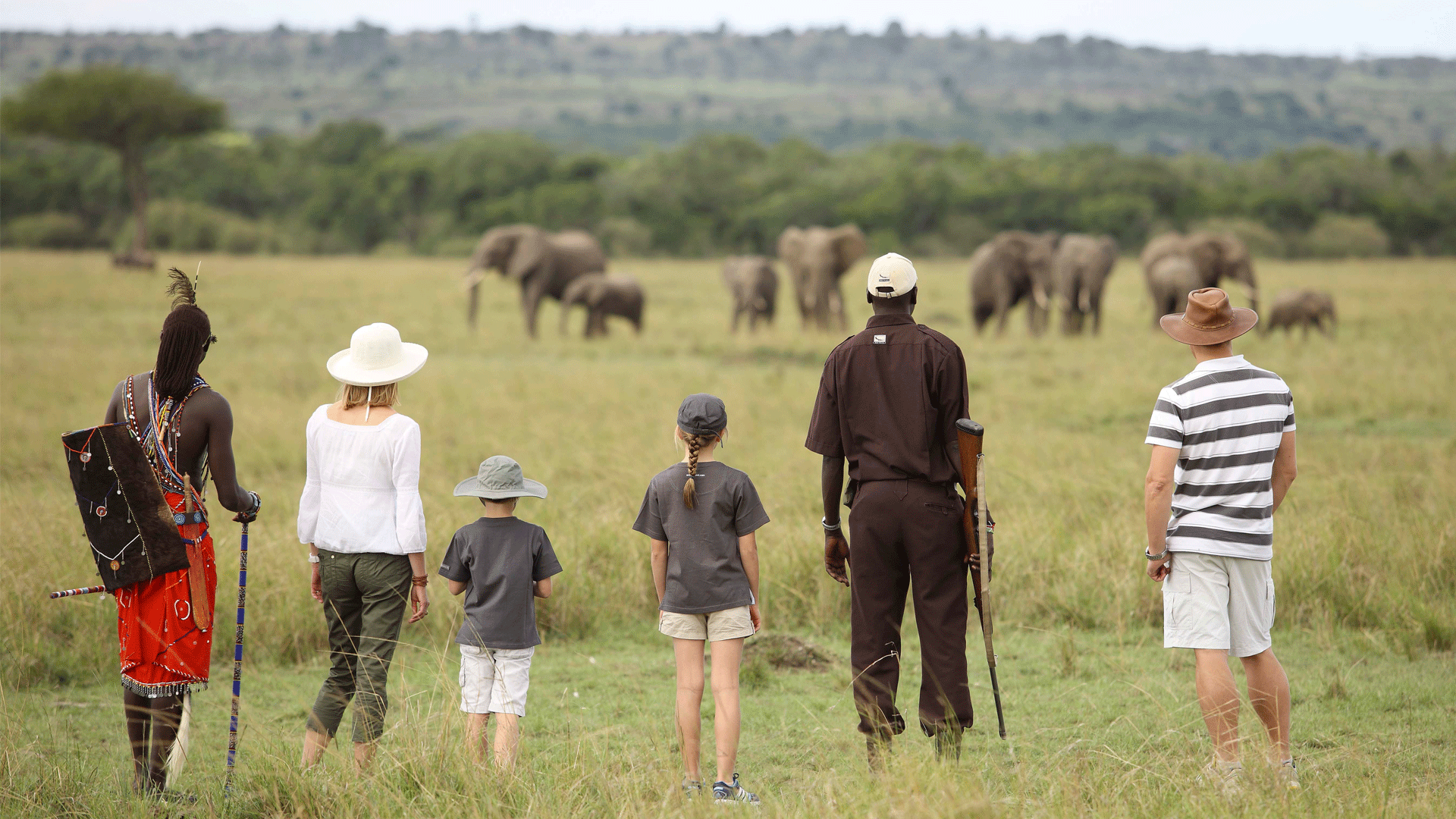
Cultural tourism: authentic experiences with communities such as the Maasai, Samburu, and Turkana.
-
Coastal tourism revival: renewed interest in Lamu, Watamu, and Diani through heritage and wellness offerings.
-
Conference and business tourism (MICE): modern facilities in Nairobi and Naivasha are attracting corporate events.
-
Film and creative tourism: Kenya’s scenic landscapes continue to attract international film producers.
This diversification enhances the country’s year-round tourism calendar and reduces dependence on peak safari seasons.
5. Major Infrastructure Developments
Tourism growth in Kenya is closely tied to ongoing investments in infrastructure, transport, and connectivity. The government and private sector are prioritizing accessibility, comfort, and regional integration.
Projects boosting tourism in 2026 include:
-
Expansion of Jomo Kenyatta International Airport (JKIA) and Moi International Airport (Mombasa).
-
Upgraded road networks connecting Nairobi to Maasai Mara, Nanyuki, Naivasha, and the Coast.
-
The LAPSSET Corridor Project, linking Lamu Port to Ethiopia and South Sudan, opening new regional travel circuits.
-
Smart urban developments and airport city projects improving accommodation and hospitality capacity.
These improvements are expected to enhance visitor experience, reduce travel time, and open new tourism corridors.
6. Domestic and Regional Tourism Expansion
Kenya’s growing middle class is fueling the domestic tourism boom. In 2026, domestic travelers are projected to account for nearly 60% of total bed-nights sold, supported by competitive pricing, flexible booking, and increased awareness of local attractions.
Popular short-stay destinations include Naivasha, Nanyuki, Nakuru, Amboseli, and Diani. Regional tourism within the East African Community (EAC) also continues to rise, thanks to seamless travel policies and harmonized tourism standards.
Domestic tourism plays a vital role in stabilizing the sector during off-peak seasons and boosting regional economies.
7. Luxury Tourism and High-End Investment Opportunities
Kenya’s luxury tourism segment remains one of the most lucrative investment frontiers. Affluent travelers from Europe, the Middle East, and North America are increasingly seeking privacy, exclusivity, and personalized experiences.
Luxury trends defining 2026 include:
-
Growth of private conservancies offering tailored safari experiences.
-
Luxury coastal resorts in Diani, Lamu, and Watamu focusing on wellness and seclusion.
-
Expansion of executive charter flights and helicopter transfers for high-end clients.
-
Demand for luxury real estate investment near wildlife reserves and coastal areas.
The segment’s resilience makes it a strong driver of Kenya’s foreign direct investment in tourism and hospitality.
8. Policy Support and Government Initiatives
The Kenya Ministry of Tourism and Wildlife continues to strengthen the policy environment to attract investment and ensure sustainable growth.
Key 2026 policy directions include:
-
Incentives for eco-friendly developments and green certifications.
-
Digitization of tourism licensing and visa systems to streamline travel.
-
Improved coordination with counties to develop local tourism clusters.
-
Marketing partnerships under the “Magical Kenya” brand targeting emerging markets in Asia and the Middle East.
These policies enhance Kenya’s global competitiveness and reinforce investor confidence.
9. Investment Outlook for 2026
Investment opportunities in Kenya’s tourism sector will span multiple areas:
-
Eco-lodges and sustainable resorts in emerging destinations.
-
Tech-driven travel startups offering booking, logistics, and analytics solutions.
-
Short-term rental properties catering to business and leisure travelers.
-
Integrated hospitality developments such as mixed-use resorts and serviced apartments.
The combination of infrastructure expansion, digital adoption, and policy stability makes Kenya a strategic investment destination for both local and international players.
Kenya’s tourism outlook for 2026 remains highly optimistic. With a strong recovery base, modernized infrastructure, eco-conscious initiatives, and increased investment appetite, the country is well positioned to achieve record tourism revenues and sustainable growth.

Shaping Sustainable Adventures: Embracing Eco-tourism in Kenya
As we look forward to 2026, the evolution of travel in Kenya is heavily leaning toward a harmonious balance between exploration and conservation. The beauty of Kenya’s landscapes, from the rolling hills of the Great Rift Valley to the vibrant savannahs teeming with wildlife, will continue to attract tourists, but with a sharper focus on sustainability. Initiatives are expanding that encourage travelers to minimize their carbon footprints and support local communities, making every adventure a step towards ecological preservation. Tourists are increasingly motivated by experiences that not only fulfill their wanderlust but also contribute positively to the habitat, leading to a rise in:
- Community-Based Tourism: Engaging with local cultures and supporting indigenous initiatives.
- Wildlife Conservation Programs: Participating in efforts that protect endangered species and their habitats.
- Eco-friendly Accommodations: Choosing lodges and hotels that prioritize sustainability and eco-conscious practices.
Moreover, the integration of technology in eco-tourism is paving the way for smarter travel choices. Through mobile applications and platforms, travelers can easily access data about eco-friendly options and make bookings that reflect their values. New trends will likely feature immersive experiences that highlight conservation efforts, along with educational aspects that raise awareness about Kenya’s biodiversity. The impact of sustainable tourism is being mirrored in various sectors, including:
| Sustainable initiatives | Impact on Local Economy |
|---|---|
| Wildlife Sanctuaries | Job creation and economic empowerment for local communities. |
| Conservation Workshops | Increased awareness leading to more conservation funding. |
| Responsible Travel Policies | Encouragement of eco-friendly practices among travelers. |
This synergy between adventure and sustainability not only enhances the travel experience but also fosters a deep-rooted respect for nature among visitors and locals alike. As these trends take shape, Kenya stands poised to redefine what it means to travel sustainably, making each visit a step towards preserving the wondrous ecosystem of this remarkable country.

Cultural Immersion Experiences: Bridging Tradition and Modernity for Travelers
As travelers increasingly seek authentic experiences that resonate with their personal values, Kenya stands out as a destination that masterfully weaves its rich cultural heritage with contemporary practices. From customary Maasai villages to urban centers like Nairobi, visitors can engage with local customs while also exploring modern influences. This duality offers opportunities such as:
- Culinary Tours: Savor the fusion of traditional Kenyan dishes with modern culinary techniques, highlighting the evolving food scene.
- Artisan Workshops: Participate in hands-on sessions led by local craftsmen and women, learning age-old techniques that are now embraced by global designers.
- Cultural Festivals: Experience vibrant events that celebrate both ancient traditions and contemporary expressions, fostering a deeper understanding of Kenya’s dynamic identity.
Along with these immersive experiences, the integration of technology into cultural tourism allows for innovative storytelling and interaction. For instance, augmented reality apps can enhance visits to historical sites, providing context and narratives that resonate with modern audiences. A glimpse at upcoming trends reveals:
| Trend | Description |
|---|---|
| Eco-Voluntourism | Combining travel with environmental volunteering opportunities, allowing travelers to contribute to conservation efforts. |
| Virtual Cultural Exchanges | Leveraging technology for remote interactions with local communities, bringing global audiences to Kenyan traditions. |
These trends not only enhance the travel experience but also create a bridge between past and present, ensuring that tradition is preserved while adapting to new societal expectations. Travelers will find themselves at the intersection of history and innovation, fully immersed in the vibrant tapestry of Kenyan culture.

Tech-Driven travel: Enhancing Visitor Engagement through Innovation
The future of travel in Kenya is set to be revolutionized by technology, creating immersive experiences that foster visitor engagement like never before. Augmented Reality (AR) is becoming a game-changer, allowing tourists to interact with landmarks in a way that brings history and culture to life. Imagine standing at the foot of Mount Kenya and using your smartphone to see an interactive guide overlay that provides insights into its rich biodiversity, and also the legends woven into its peaks. Furthermore, the integration of artificial intelligence (AI) in customer service will allow tourists to communicate their preferences and receive personalized recommendations, weather they seek local cuisine, adventure activities, or serene getaways.
Additionally, mobile applications are set to enhance the visitor experience by providing tailored itineraries, up-to-date event information, and the ability to book services on the go. As the adoption of contactless technology expands, tourists can expect seamless check-ins, payments, and even guided tours that reduce waiting times. Key trends that will shape this tech-driven evolution include:
- Digital Concierge Services: Personalized assistance at the touch of a button.
- Sustainable Travel Apps: promoting eco-friendly choices and carbon offsetting.
- Social Media Integration: Allowing tourists to share their experiences live.
To understand the impact of these innovations, consider the following table illustrating expected tourist interactions in 2026:
| Interaction | Expected Adoption rate (%) |
|---|---|
| AR Guided Tours | 75% |
| AI-Based Concierge Services | 65% |
| Mobile Booking Apps | 80% |

Community-Driven Tourism: Empowering Local Economies for a Memorable Journey
- Cultural exchanges: visitors participate in traditional ceremonies, enhancing their understanding of local customs.
- Workshops: Tourists can learn local crafts, from pottery to beadwork, directly from artisans.
- Culinary experiences: Taste authentic Kenyan cuisine prepared by local families, creating lasting culinary memories.
Such initiatives not only enrich the travel experience but also bolster local economies. As communities develop tourism products that reflect their heritage, they generate revenue and employment, fostering sustainable practices. Through the promotion of local businesses, tourists are encouraged to explore off-the-beaten-path destinations. This holistic approach helps maintain the ecological integrity of popular sites while distributing tourist traffic more evenly across various regions. As we look toward 2026, it’s clear that the collaborative efforts between travelers and locals will shape the future of tourism in Kenya. A well-balanced ecosystem that prioritizes both visitor satisfaction and community well-being is essential for nurturing a thriving tourism landscape.
| Tourism initiatives | Benefits |
|---|---|
| Community-led Tours | Encourages local guides, promotes heritage. |
| Ecotourism Projects | Protects natural resources, supports conservation. |
| Local Artisan Markets | Empowers artisans, showcases local culture. |
For travel companies, tour operators, real estate investors, and policymakers, 2026 offers a unique window to leverage Kenya’s expanding tourism ecosystem — where innovation, conservation, and opportunity converge.
