

 Safaris
Maasai Mara vs Serengeti: The Best Place to See the Wildebeest Migration in 2025?
Maasai Mara vs Serengeti: Where’s the Best Place to See the Wildebeest Migration in 2025?
Every year, nature stages one of its most breathtaking performances—the Great Wildebeest Migration. Over 1.5 million wildebeest, zebras, and gazelles thunder across the Serengeti-Mara ecosystem, facing predators and peril as they follow the rains.
If you’re planning a safari in 2025, one question likely tops your list:
👉 Should you go to Kenya’s Maasai Mara or Tanzania’s Serengeti to see the migration?
Here’s a detailed, updated 2025 guide to help you choose the best location for your wildebeest migration safari.
🗺️ What Is the Wildebeest Migration?
The Great Wildebeest Migration is a year-round journey through the Serengeti in Tanzania and the Maasai Mara in Kenya. It’s not a single event—it’s a cyclical movement triggered by rain, food availability, and survival instincts.
Key Migration Stages:
-
January–March: Calving season in southern Serengeti (Ndutu)
-
April–June: Herds move through central Serengeti to the western corridor
-
July–October: Dramatic river crossings into Maasai Mara (Kenya)
-
November–December: Return to Serengeti plains

🇰🇪 Wildebeest Migration in Maasai Mara (Kenya)
✅ Why Choose Maasai Mara:
-
Best for river crossings: The famous Mara River crossings are heart-stopping scenes of crocodiles, chaos, and survival.
-
Shorter travel times: Easily accessible from Nairobi via road or flight.
-
Luxury private conservancies: Enjoy exclusive safaris with fewer crowds.
-
Big cat central: The Mara is home to high populations of lions, leopards, and cheetahs.
🕒 Best Time to Visit:
Mid-July to October – when herds cross from Serengeti into the Mara and gather near the riverbanks.
🏕️ Where to Stay:
-
Mara Serena Safari Lodge
-
Governor’s Camp
-
Basecamp Explorer
-
Angama Mara (luxury with aerial views)
🇹🇿 Wildebeest Migration in Serengeti (Tanzania)
✅ Why Choose Serengeti:
-
Covers most of the migration route: Herds spend about 9 months in Serengeti.
-
Calving season in Ndutu: Thousands of births happen in February—great for predator sightings.
-
Vast, uncrowded wilderness: Enjoy the raw African savannah without too much traffic.
-
Budget-friendlier entry fees than Mara’s conservancies
🕒 Best Time to Visit:
-
January–March for calving season
-
May–July for Grumeti River crossings and long treks
🏕️ Where to Stay:
-
Serengeti Serena Safari Lodge
-
Lemala Ewanjan Camp
-
Nomad Serengeti Safari Camp
-
Four Seasons Serengeti
🐾 Maasai Mara vs Serengeti: Side-by-Side Comparison
| Feature | Maasai Mara (Kenya) | Serengeti (Tanzania) |
|---|---|---|
| River Crossings | Iconic, dramatic Mara River | Grumeti River (less intense) |
| Best for Calving | ❌ No calving season | ✅ Ndutu region (Feb – lots of births) |
| Travel Access | Easy access from Nairobi | Requires internal flight/drive from Arusha |
| Park Entry Fees | Higher (esp. in conservancies) | Lower |
| Crowd Levels | High in peak months | Less crowded overall |
| Predator Sightings | Excellent year-round (especially cats) | Great during calving & long trek |
| Migration Duration | 3–4 months (July–Oct) | 9–10 months |
✈️ Travel Logistics
Entry Requirements:
-
Kenya: Electronic Travel Authorization (eTA) required
-
Tanzania: Online visa application (visa on arrival also possible)
Health & Safety:
-
Yellow fever vaccination may be required
-
Malaria precautions recommended for both countries
-
Travel insurance is strongly advised
🤝 Pro Travel Tip: Combine Both Destinations!
Many safari operators offer cross-border migration packages that cover both Serengeti and Maasai Mara. This is ideal if you:
-
Want to follow the herds across borders
-
Enjoy both river crossings and calving
-
Have a 7–10 day window for travel
✅ Ask your tour planner about open-jaw itineraries (e.g., fly into Nairobi and out of Kilimanjaro).
🦓 Final Verdict: Which Destination Is Right for You?
-
Choose Maasai Mara if you want to see dramatic river crossings, prefer easier logistics, and love big cat encounters.
-
Choose Serengeti if you want a longer migration experience, fewer crowds, and to witness the miracle of birth during calving season.
🌍 Or go big—and do both!
Bonus Tip!
1. Is the wildebeest migration better in Kenya or Tanzania?
It depends! Kenya (Maasai Mara) is best for dramatic river crossings (Jul–Oct), while Tanzania (Serengeti) offers more extended migration views and the calving season (Jan–Mar).
2. How long does the wildebeest migration last?
The migration is a year-round event, but its most iconic moments—like river crossings—occur from July to October.
3. Can I visit both Serengeti and Maasai Mara in one trip?
Yes! Many tour companies offer cross-border safari packages covering both parks.
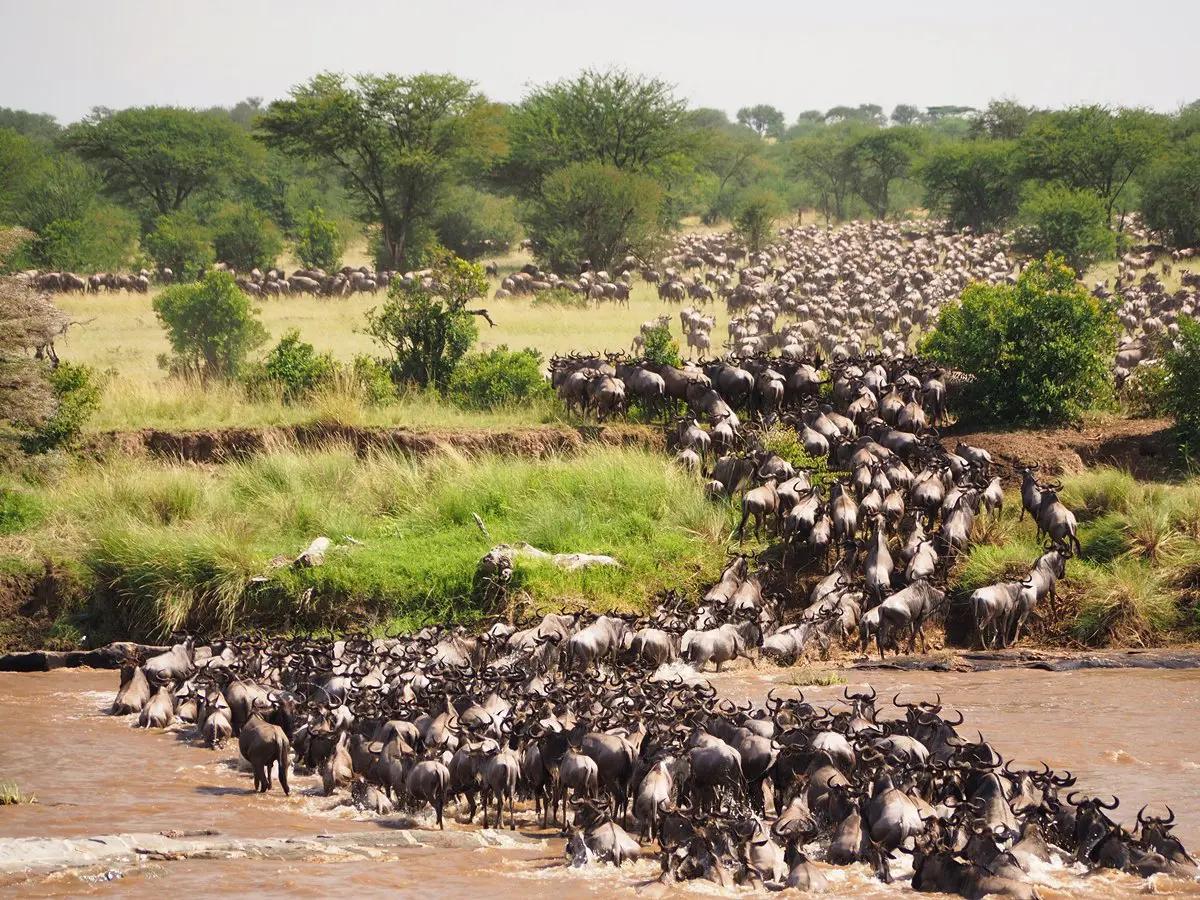
The Epic Journey of Resilience and Survival of Wildebeest!
The annual migration of wildebeest across the Serengeti is not merely a spectacle of nature; it is a pulse, a rhythm of life imbued with the essence of resilience. Each year, the herd embarks on a perilous journey spanning over 1,800 miles, braving treacherous terrains and the unforgiving elements. As they traverse this grand landscape, they face numerous challenges that test their endurance and survival instincts:
- predation: Lions, crocodiles, and hyenas patiently await the frail and the weak.
- Harsh Weather: Torrential rains and blistering droughts shape their migration path.
- water Sources: Finding rivers and lakes becomes critical for sustenance.
- Injury and Illness: The physical toll of the journey can lead to vulnerability and decline.
Amidst these adversities, the wildebeest demonstrate remarkable characteristics that allow them to thrive against the odds. Their innate social structure plays a vital role, as they move in large groups, providing safety in numbers. The leadership within these herds shifts fluidly, frequently enough dictated by seasonal changes or environmental cues. This adaptability is crucial, ensuring that the wildebeest can respond quickly to threats, whether from predators or sudden changes in their habitat. Their survival strategies are intertwined with a deep instinct to migrate, passed down through generations, preserving not just a species but an entire ecosystem.
| Challenge | Survival Strategy |
|---|---|
| Predation | Herding together for safety |
| Drought | Following the rain for grazing |
| Injury | Adaptive roles in herds for support |

Understanding the role of Climate and Ecosystem Dynamics
The great migration of wildebeest across the Serengeti is not merely a breathtaking natural event but also a complex interplay of climate and ecosystem dynamics that underscores the resilience of life in the face of environmental shifts. As the seasons shift, these magnificent creatures embark on a cyclical journey dictated largely by the availability of resources and the subtle cues provided by their environment. During the rainy season, lush grasses spring to life, providing ample nutrition for the herds. However, as the dry season approaches, water sources dwindle and food becomes scarce, forcing the wildebeest to follow the ancient paths etched into their memory by generations past. This instinctive behavior is a survival strategy, ensuring that they efficiently utilize the resources offered by the ecosystem across vast expanses of land.
Moreover, the interaction between climate patterns and the behavior of the wildebeest provides valuable insights into how ecosystems function. Fluctuations in rainfall can lead to a domino effect that influences the entire food web. Key factors include:
- Precipitation Levels: The timing and amount of rainfall directly impact the growth of grasses, which in turn affects the movement of the herds.
- Temperature Variations: Shifts in temperature can alter the migration patterns as animals search for more favorable conditions.
- Predator Presence: Changing ecosystems may increase or decrease predator populations, impacting the survival rates of the wildebeest.
To illustrate how these elements interweave, consider the following table summarizing the key stages of the migration relative to environmental conditions:
| Stage of Migration | Primary Environmental Condition | Impact on Wildebeest |
|---|---|---|
| Calving | Rainy Season | Increased food supply, high survival rates for calves |
| Mid-Migration | Drying Land | Long-distance travel to find water and grass |
| Return Journey | Seasonal rain | Return to calving grounds, continuation of the cycle |

Best Practices for Responsible Wildlife Tourism
As travelers embark on the exhilarating journey to witness the Great Migration, it is indeed essential to prioritize the well-being of wildlife and their habitats. adopting responsible wildlife tourism practices not only ensures a more lasting ecosystem but also enriches the overall experience for visitors. Hear are some key principles to follow:
- Choose Ethical Tour Operators: Research companies that prioritize animal welfare and commit to sustainable tourism practices.
- Respect Wildlife Distances: Maintain a safe and respectful distance from animals, allowing them to behave naturally without stress.
- Leave No Trace: Adhere to the principle of leaving the environment as you found it, ensuring there’s no litter or disturbances left behind.
- Support Local communities: Engage with local guides and businesses to contribute to economic empowerment and cultural preservation.
Moreover, educating oneself about the ecosystem and the challenges faced by wildlife can enhance the travel experience. Visitors can also contribute to conservation efforts through various means, such as:
| Action | Impact |
|---|---|
| Participating in conservation programs | Directly aids in habitat restoration and protection. |
| Donating to wildlife organizations | Funding research and protection initiatives for endangered species. |
| Sharing knowledge | Raising awareness about conservation issues and responsible practices. |
By embracing these responsible practices, tourists can become stewards of the mighty wilderness, ensuring that the majestic wildebeest and their surrounding environment thrive for generations to come.

Conservation Strategies for Future Generations
As the endless plains of the Serengeti become increasingly vulnerable to human encroachment and climate change, implementing sustainable conservation strategies is imperative to safeguard the future of the wildebeest migration. These strategies must prioritize habitat protection, ensuring that vast areas remain untouched by urban progress and agriculture. Community engagement plays a crucial role, as local populations need to be involved and invested in conservation efforts. Initiatives that offer alternative livelihoods can reduce pressure on resources, allowing both people and wildlife to coexist harmoniously.
Technological advancements also present exciting opportunities for conservation. Drones and satellite imagery can track migration patterns and monitor herd health, providing critical data to inform management decisions. Additionally, establishing wildlife corridors can facilitate safe passage for herds across fragmented landscapes. Monitoring programs must continue to evolve, fostering collaborative research that combines traditional ecological knowledge with modern science. By building resilience into both ecosystems and communities, we can ensure that the spectacle of the Great Migration persists for generations to come.
| Conservation Strategy | Description |
|---|---|
| Habitat Protection | Creating protected areas to preserve key wildlife ecosystems. |
| Community Engagement | Involving local populations in conservation efforts and offering alternative livelihoods. |
| Technology Utilization | Using drones and satellite tracking for monitoring wildlife and habitats. |
| Wildlife Corridors | Establishing safe passage routes to connect fragmented habitats. |
📞 Plan Your Migration Safari Today
Want help choosing between Maasai Mara and Serengeti for your 2025 migration safari?

