

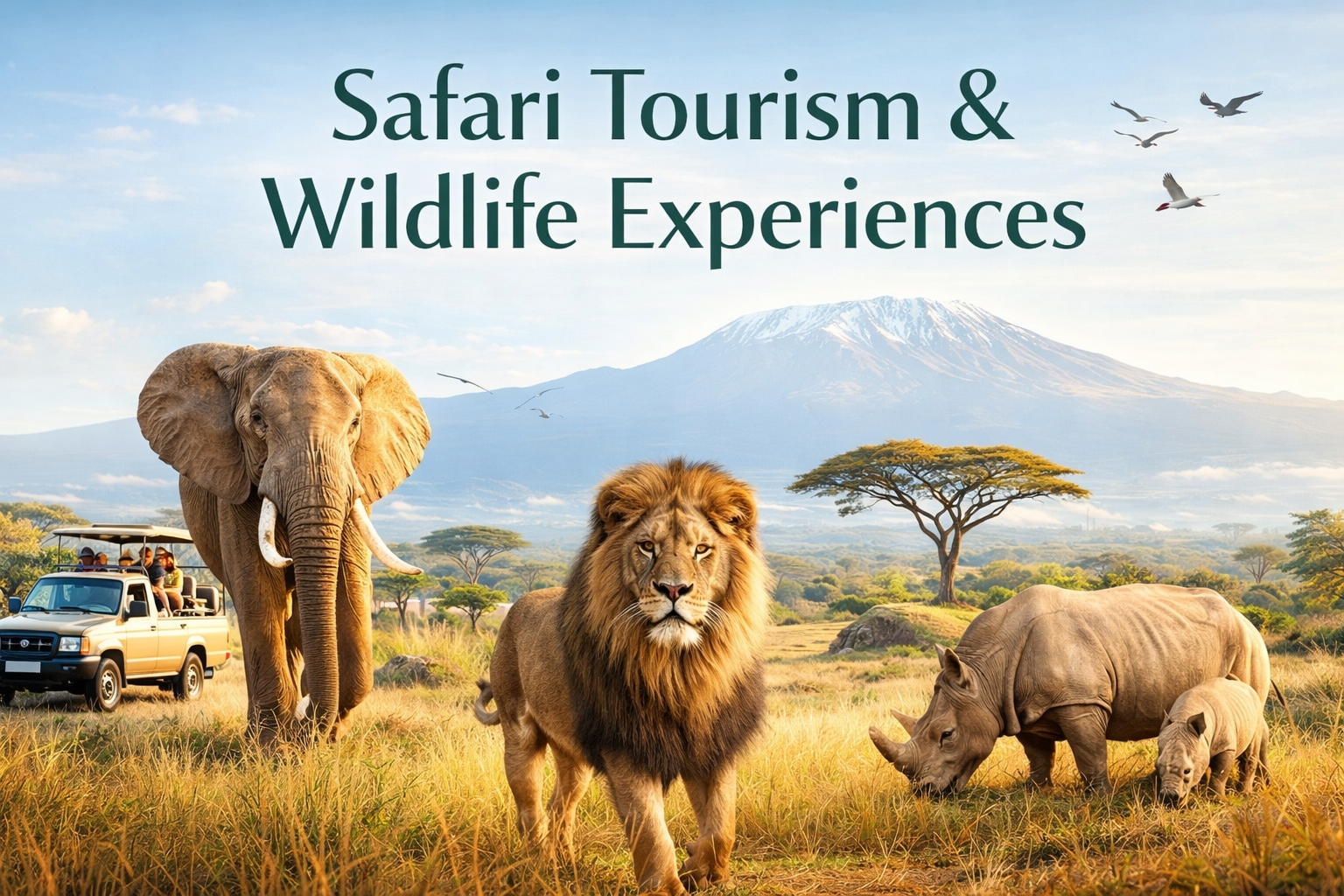
 Safaris
Safari Tourism & Wildlife Experiences: Trends, Economic Impact, and Conservation Implications
Safari Tourism & Wildlife Experiences: Trends, Economic Impact, and Conservation Implications
Safari tourism is a cornerstone of wildlife conservation and economic development in many African countries. By combining travel experiences with wildlife encounters, safari tourism generates significant revenue, supports rural livelihoods, and contributes to biodiversity protection. This paper examines the safari tourism industry, exploring its economic, ecological, and social dimensions. It evaluates trends in safari offerings, the value of wildlife experiences, and the interplay between tourism and conservation. Emerging challenges, including environmental sustainability, human-wildlife conflict, and climate change, are discussed. The study emphasizes strategies for sustainable growth that balance economic incentives with ecological responsibility, ensuring that safari tourism remains a resilient and impactful sector.
1. Introduction
Safari tourism, characterized by wildlife-focused travel experiences, is a major segment of the global tourism industry and a key driver of economic growth in African countries. It attracts international and domestic travelers seeking immersive encounters with wildlife, ranging from the Big Five (lion, elephant, buffalo, leopard, rhinoceros) to endemic species in national parks, private reserves, and community conservancies.
Beyond recreation, safari tourism plays a vital role in conservation financing, habitat protection, and rural community development. It links natural ecosystems to economic and social benefits, making it a multidimensional sector with both commercial and ecological significance.
This paper explores safari tourism from a research perspective, analyzing industry trends, economic contributions, conservation implications, challenges, and strategies for sustainable development. The goal is to provide a comprehensive understanding of the sector and its potential for long-term impact.
2. Economic Significance of Safari Tourism
Safari tourism contributes substantially to national and local economies through:
2.1 Revenue Generation
-
Direct revenue: Park entry fees, lodge bookings, guided safari fees, and tour packages.
-
Indirect revenue: Local employment, transport services, handicrafts, and food services.
-
Multiplier effects: Safari tourism stimulates related sectors such as aviation, hospitality, and insurance.
Example: Kenya and Tanzania collectively generate billions of dollars annually from safari tourism, with park fees and private lodge stays contributing significantly to GDP.
2.2 Employment Creation
Safari tourism supports both formal and informal employment:
-
Wildlife guides, lodge staff, trackers, and conservation officers.
-
Local artisans, transport operators, and community tourism initiatives.
Employment ensures community engagement in wildlife protection and provides tangible incentives for conservation.
2.3 Foreign Exchange and Investment
International safari tourists bring foreign currency into host countries, enabling:
-
Infrastructure development
-
Investment in national parks and conservation areas
-
Promotion of private game reserves and ecotourism ventures
Foreign investment in luxury safari lodges and safari operations further stimulates economic growth.
3. Types of Safari Experiences
Safari tourism offers a wide spectrum of experiences, tailored to diverse traveler preferences:
| Safari Type | Description | Key Features |
|---|---|---|
| Game Drives | Guided vehicle tours in national parks and private reserves | Big Five sightings, early morning or evening drives, photography opportunities |
| Walking Safaris | Guided foot safaris focusing on flora, fauna, and ecosystem interpretation | Close-up wildlife tracking, educational experiences, ecological awareness |
| Luxury Safari Lodges | High-end accommodations integrated with safari experiences | Private viewing decks, gourmet meals, personalized guides |
| Mobile / Tent Safaris | Camp-based itineraries that move between regions | Immersive wilderness experience, bush living, stargazing |
| Community-Based Safaris | Experiences hosted by local communities | Cultural engagement, income for rural areas, conservation education |
| Photographic / Specialist Safaris | Focused on wildlife photography or specific species | Expert guidance, equipment support, seasonal wildlife tracking |
4. Wildlife Conservation and Ecological Implications
Safari tourism is closely tied to wildlife conservation. Revenue from tourism funds:
-
Anti-poaching initiatives
-
Habitat restoration projects
-
Research programs on species behavior, health, and migration
4.1 Community Conservancies
Community-led conservancies ensure that local populations benefit from tourism revenue, creating incentives to protect wildlife instead of exploiting it.
Example: Maasai Mara conservancies in Kenya have successfully integrated community interests with tourism, reducing poaching incidents while increasing household income.
4.2 Ecotourism Principles
Sustainable safari tourism aligns with ecotourism principles:
-
Minimal environmental impact
-
Preservation of natural habitats
-
Engagement and education of tourists
-
Fair benefit distribution to local communities
Properly managed safari tourism can enhance biodiversity conservation while generating economic growth.
5. Trends in Safari Tourism
5.1 Personalized and Experiential Travel
Tourists increasingly seek customized and immersive experiences, such as night drives, bush meals, and wildlife tracking with expert guides.
5.2 Digital Integration
Technology is transforming safari tourism:
-
Virtual safaris and augmented reality experiences for education and marketing
-
Mobile booking platforms and itinerary planning tools
-
Digital wildlife tracking apps for tourists to follow species movements
5.3 Niche Tourism
-
Photography safaris: High-quality wildlife photography with expert guidance
-
Wellness and luxury safaris: Combining wildlife experiences with spa and wellness services
-
Voluntourism: Participation in conservation activities
5.4 Post-Pandemic Recovery
The sector is adapting to:
-
Increased domestic tourism
-
Health and safety protocols
-
Flexible travel arrangements for international tourists
6. Challenges in Safari Tourism
6.1 Environmental and Climate Risks
-
Habitat degradation and climate change impact wildlife distribution
-
Extreme weather events can affect park accessibility and visitor safety
6.2 Human-Wildlife Conflict
-
Encroachment into wildlife habitats leads to crop damage, livestock loss, and negative community attitudes
-
Conservation strategies must integrate local livelihoods to minimize conflict
6.3 Poaching and Illegal Trade
-
Despite tourism revenue, poaching remains a significant threat to iconic species
-
Sustainable tourism requires stringent anti-poaching measures and community engagement
6.4 Overcrowding and Environmental Impact
-
High visitor numbers in sensitive areas can lead to soil erosion, vegetation damage, and disturbance to wildlife
-
Controlled visitor numbers and eco-friendly infrastructure are critical
7. Economic and Social Impacts
7.1 Poverty Alleviation
Safari tourism directly and indirectly supports rural livelihoods:
-
Salaries for lodge staff and guides
-
Revenue for local communities through conservancy partnerships
-
Skills development and capacity building
7.2 Cultural Preservation
Community-based safaris enable cultural exchange and promote traditional practices, storytelling, and crafts, preserving cultural heritage while generating income.
7.3 Infrastructure Development
Tourism stimulates investment in:
-
Roads and transportation networks
-
Communication and digital connectivity
-
Healthcare and education facilities in local communities
8. Strategies for Sustainable Safari Tourism
-
Integrated Conservation-Tourism Models
-
Linking revenue with habitat protection and community development.
-
-
Stakeholder Engagement
-
Collaboration between governments, communities, private operators, and NGOs.
-
-
Environmental Management Plans
-
Minimizing carbon footprint, energy-efficient lodges, and sustainable waste management.
-
-
Adaptive Tourism Policies
-
Dynamic pricing, controlled visitor numbers, and diversified safari offerings to reduce pressure on popular sites.
-
-
Education and Awareness
-
Informing tourists about ecological impacts, responsible behavior, and conservation objectives.
-
9. Case Illustration: Kenya’s Maasai Mara Safari Model
The Maasai Mara region integrates:
-
National park and private conservancy networks
-
Revenue-sharing agreements with local Maasai communities
-
Anti-poaching patrols funded by tourism income
-
Luxury and mid-range safari lodges offering varied experiences
Outcomes include increased wildlife populations, higher household incomes, and enhanced ecosystem protection, demonstrating the economic-conservation synergy of well-managed safari tourism.
10. Future Outlook
Safari tourism is expected to grow due to:
-
Rising global interest in experiential and wildlife-based travel
-
Expansion of digital marketing and online booking platforms
-
Greater focus on sustainable tourism, ESG investment, and climate resilience
Challenges such as habitat loss, climate change, and human-wildlife conflict will require adaptive management, regulatory oversight, and technology integration.
Emerging innovations include:
-
Drone-assisted wildlife monitoring for real-time tourist experiences
-
Augmented reality apps for educational engagement
-
Green certification schemes for lodges and safari operators
11. Conclusion
Safari tourism represents a unique intersection of recreation, economic development, and wildlife conservation. It provides substantial revenue, creates employment, preserves biodiversity, and engages local communities in sustainable resource management. To maintain its benefits, the sector must address environmental, social, and operational challenges through strategic governance, stakeholder collaboration, and sustainable practices.
Well-managed safari experiences not only deliver immersive wildlife encounters but also support conservation, enhance community livelihoods, and promote cultural preservation, positioning safari tourism as a critical component of sustainable development in wildlife-rich regions.
References / Suggested Readings
-
Honey, M. (2008). Ecotourism and Sustainable Development: Who Owns Paradise? Island Press.
-
Weaver, D. (2011). Sustainable Tourism: Theory and Practice. Routledge.
-
Biggs, D., & Slotow, R. (2009). Tourism and Wildlife Conservation in Africa. African Journal of Ecology, 47(2), 123–131.
-
Western, D., & Wright, R. (2013). Natural Connections: Perspectives in Community-based Conservation. Island Press.
-
Kenya Wildlife Service (KWS). (2022). Annual Tourism and Conservation Report. Nairobi: KWS.

