

 Safaris
The History of Maasai Mara – Kenya’s Crown Jewel of Wildlife Tourism
Explore the roots of one of Africa’s most iconic safari destinations, from ancient Maasai traditions to modern conservation success.

When you hear the word “safari,” the Maasai Mara National Reserve often comes to mind — and for good reason.
The Maasai Mara National Reserve is undoubtedly one of the most iconic safari destinations in Africa. Located in southwestern Kenya, it is world-renowned for its vast savannah landscapes, abundant wildlife, and the legendary Great Wildebeest Migration. But beyond the game drives and luxurious safari lodges lies a compelling story — one that intertwines indigenous culture, colonial history, and global conservation efforts. Renowned globally for its breathtaking landscapes, rich wildlife, and the awe-inspiring Great Wildebeest Migration, the Mara is more than just a travel destination — it’s a living story of culture, nature, and resilience. But how much do you really know about its history?
Whether you’re planning a Kenya safari holiday or simply curious about the top tourist attractions in Kenya, understanding the history of the Maasai Mara will deepen your appreciation for this world-famous reserve.
Let’s explore the historical journey of the Maasai Mara, how it evolved into Kenya’s premier tourist attraction, and why it continues to captivate travelers from around the world.
The Maasai: Guardians of the Savannah
Long before safari lodges and tourist jeeps dotted the plains, the Maasai people called this land home. As semi-nomadic pastoralists, the Maasai have roamed the grasslands for centuries, herding cattle and coexisting harmoniously with wildlife.
Unlike other communities, the Maasai never hunted wild animals for sport. Their strong cultural beliefs and sustainable lifestyle helped preserve the natural ecosystem, laying the foundation for the wildlife haven the Mara is today.
For centuries, they lived as semi-nomadic pastoralists, herding cattle across the open plains.
🌿 Key Facts:
-
The name “Mara” means “spotted” in the Maa language, referring to the scattered acacia trees and bushy landscapes.
-
The Maasai practiced sustainable land use, never overgrazing or overhunting.
-
Their belief system promotes coexistence with wildlife, which preserved biodiversity long before formal conservation was introduced.
🦓 Colonial Interference & the Birth of Conservation
The early 1900s marked a turning point. With the arrival of British colonial rule, vast tracts of land began to be gazetted for hunting and wildlife protection — often at the expense of indigenous communities.
-
1930s: The colonial government began restricting Maasai access to traditional grazing lands.
-
1948: Neighboring Serengeti National Park was established in Tanzania, highlighting the global interest in the region’s biodiversity.
-
1961: The Maasai Mara was officially designated a wildlife sanctuary.
-
1963: Just before Kenya’s independence, it was elevated to a National Game Reserve, named after the Maasai people and the Mara River, which snakes through the reserve.
Post-Independence: Community & Conservation
In post-colonial Kenya, the Narok County Government took charge of the reserve’s management. Over the years, however, it became clear that involving the local Maasai community was essential for sustainable conservation.
This led to the creation of private conservancies around the reserve, such as:
-
Mara North Conservancy
-
Naboisho Conservancy
-
Olare Motorogi Conservancy
Here, Maasai landowners lease their land to safari operators in exchange for conservation-friendly tourism, creating a win-win for wildlife protection and local economic empowerment.
These conservancies:
-
Reduce human-wildlife conflict.
-
Create employment opportunities for locals.
-
Ensure sustainable land management practices.
-
Offer exclusive, low-impact tourism experiences away from the main reserve.
🦒 The Rise of Global Fame
During the 1970s and 1980s, the Maasai Mara became a darling of international filmmakers and wildlife photographers. Documentaries and TV shows showcased the incredible Great Migration — a seasonal movement of over 1.5 million wildebeest, zebras, and gazelles from Serengeti to the Mara — often referred to as the “World Cup of Wildlife.” This event placed the Maasai Mara firmly on the bucket list of every nature lover and safari enthusiast.
🦓 Wildlife Wonders and the Great Migration
Today, the Maasai Mara is celebrated globally as one of the top wildlife safari destinations in Africa. Its popularity surged in the 1970s and 1980s thanks to BBC wildlife documentaries, National Geographic features, and famous photographers capturing raw moments in the wild.
But nothing compares to the Great Wildebeest Migration — an annual spectacle involving:
-
Over 1.5 million wildebeests
-
Hundreds of thousands of zebras and gazelles
-
Predators like lions, leopards, cheetahs, hyenas, and crocodiles
This natural phenomenon, often dubbed the “Eighth Wonder of the World“, typically occurs between July and October, attracting thousands of tourists eager to witness dramatic river crossings, predator-prey encounters, and massive herds roaming the savannah.
The Maasai Mara is not just famous for the Big Five. It’s a sanctuary to an astonishing array of over 95 mammal species and more than 470 bird species, making it one of the richest wildlife ecosystems in the world.
🦁 The Big Five:
-
Lions – The Mara has one of the highest densities of lions in Africa.
-
Leopards – Frequently seen lounging on tree branches in the early morning or late evening.
-
Elephants – Found in large herds near the Mara River and forested areas.
-
Buffaloes – Grazing across the plains, often in massive herds.
-
Rhinos – Especially the endangered black rhino, though sightings are rare and precious.
🐆 Other Key Species:
-
Cheetahs – Best spotted in open grasslands, known for spectacular high-speed chases.
-
Hyenas – Commonly seen scavenging or hunting in clans.
-
Hippos and Crocodiles – Dominant in and along the Mara River, especially during the migration crossings.
-
Antelope Species – Including impalas, topis, elands, gazelles, and hartebeests.
-
Birds – Look out for crowned cranes, vultures, eagles, and the elusive kori bustard.
✅Why Maasai Mara Should Top Your Kenya Bucket List
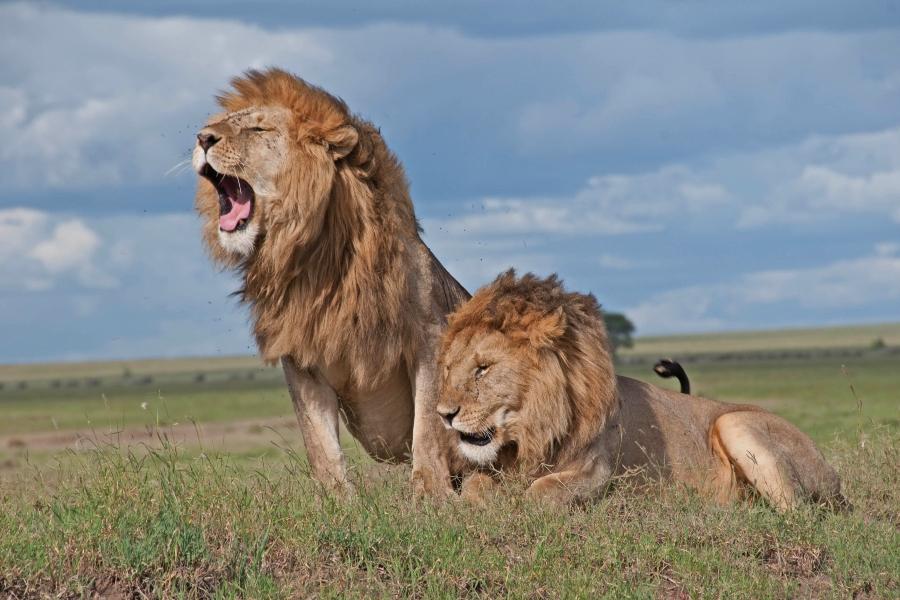
The Maasai Mara is not just a safari destination — it’s a story of history, resilience, and natural wonder. Whether you’re drawn by the thrill of a game drive, the beauty of sunrise over the savannah, or the rich heritage of the Maasai culture, a visit to the Mara is an unforgettable experience.
If you’re planning your next Kenyan adventure, make sure the Maasai Mara is top on your list. It’s where wild Africa meets ancient tradition, and the result is pure magic.

With its extraordinary wildlife, deep cultural roots, stunning landscapes, and unmatched safari experiences, the Maasai Mara is undeniably one of the best places to visit in Kenya and Africa.
Whether you’re planning a honeymoon safari, a family wildlife adventure, or a photography expedition, the Mara delivers unforgettable memories and a deeper appreciation for nature and humanity.
Here’s why the Maasai Mara National Reserve tops the list of best places to visit in Kenya: A Key part of the greater Serengeti-Mara ecosystem, a UNESCO World Heritage Site.
| Feature | Description |
|---|---|
| 🌄 Scenic Landscapes | Golden plains, dotted acacia trees, and sweeping savannahs |
| 🦁 Big Five Wildlife | Lions, leopards, elephants, buffaloes, rhinos |
| 🦓 Great Migration | Once-in-a-lifetime wildlife spectacle |
| 🛖 Cultural Encounters | Authentic Maasai village tours |
| 🛌 Luxury & Budget Stays | Safari camps, lodges, eco-resorts, and budget tented camps |
| 📸 Photographic Paradise | Best lighting, wildlife activity, and cinematic scenes |
The Cultural Heritage of the Maasai People in Wildlife Conservation


