

 Safaris
Big 5 Safari in Kenya: Best Time, Top Parks, and How to Spot Lions, Elephants, Leopards, Rhinos & Buffalos
What Are the Big 5 Animals in Kenya?
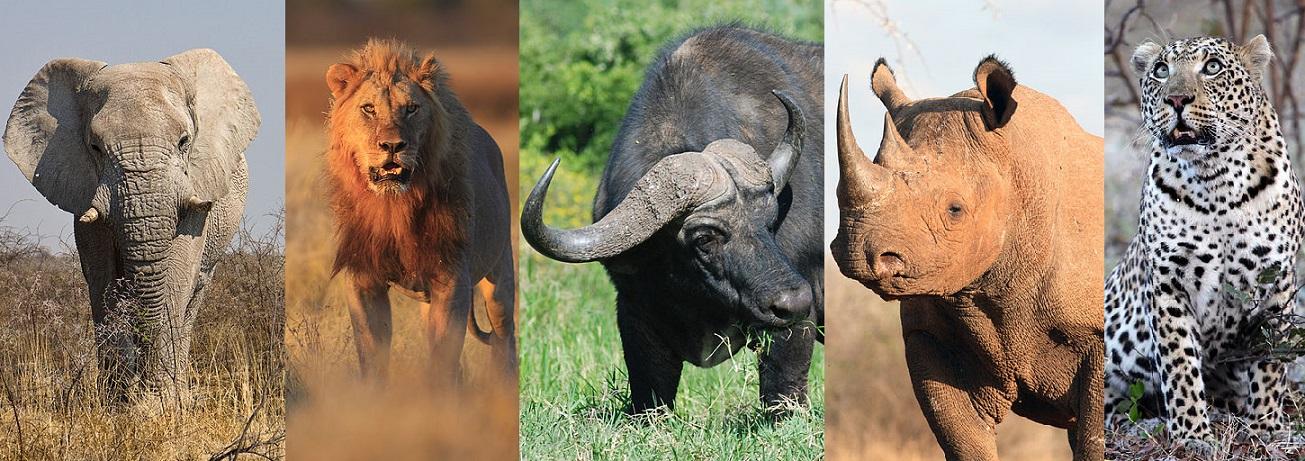
The “Big 5” refers to the five most iconic and sought-after African wildlife species: Lion, Elephant, Leopard, Rhino, and Buffalo. Originally coined by hunters due to the difficulty in tracking them, today the term is beloved by safari-goers hoping to spot them in the wild.
Best Time to See the Big 5 in Kenya
Timing is everything for a successful safari experience.
🗓️ Dry Season (June to October) – Best for Big 5 viewing
-
Thinner vegetation makes animals easier to spot.
-
Animals gather around waterholes.
-
Includes the Great Migration (July–October) in Maasai Mara.
🌧️ Wet Season (November to May) – Good for birding and lush scenery
-
Fewer tourists and discounted rates.
-
Newborn animals appear, especially in March and April.
Top Tip: Visit in September for the best balance—ideal weather, great animal sightings, and fewer crowds.
Top National Parks to See the Big 5 in Kenya
🦁 1. Maasai Mara National Reserve
-
Almost guaranteed sightings of all Big 5.
-
Best for lion and leopard spotting.
-
Ideal during the wildebeest migration.
🐘 2. Amboseli National Park
-
Known for large elephant herds.
-
Stunning backdrop of Mount Kilimanjaro.
🐃 3. Tsavo East & West National Parks
-
Largest protected area in Kenya.
-
Good for buffalo and red elephants.
-
Remote and less crowded.
🦏 4. Lake Nakuru National Park
-
Best for both black and white rhinos.
-
Also home to flamingos and leopards.
How to Spot Each of the Big 5 in Kenya
-
Lions: Most active early morning and at dusk. Look near waterholes in the Mara.
-
Elephants: Easy to spot in Amboseli and Tsavo, especially near swamps.
-
Leopards: Solitary and elusive. Best found resting on tree branches in the Mara.
-
Rhinos: White rhinos roam Lake Nakuru; black rhinos can be seen in Ol Pejeta Conservancy.
-
Buffalos: Common but often overlooked—watch for large herds in Tsavo and the Mara.
Safari Tips for First-Time Visitors
-
Pack layers: Early mornings are cold, afternoons hot.
-
Bring binoculars & DSLR with zoom lens.
-
Use a knowledgeable local guide for the best tracking and info.
-
Stay quiet and patient. Wildlife sightings often reward the calm and observant.
Responsible Safari & Conservation
-
Support eco-friendly camps and community-based tourism.
-
Visit rhino sanctuaries like Ol Pejeta and Lewa Conservancy.
-
Avoid disturbing animals—stick to trails and respect park rules.
📌 FAQs: Big 5 Safari in Kenya
Q: Can you see all Big 5 in one park?
Yes, Maasai Mara offers the best chance to see all five in one trip.
Q: Is it safe to go on safari in Kenya?
Absolutely. Safaris are well-organized and guided. Just follow safety instructions.
Q: How many days do I need for a Big 5 safari?
At least 5–7 days to cover multiple parks and maximize chances of spotting all five.
Understanding Kenya’s Iconic Wildlife
Kenya is renowned for its stunning landscapes and the iconic wildlife that roams its savannas, making it a top destination for safari enthusiasts. The Big Five—lion, leopard, elephant, bufallo, and rhino—draw visitors from around the globe seeking the thrill of encountering these majestic animals in their natural habitat. Each species has its unique charm and plays a vital role in the ecosystem. For instance, the lion, often referred to as the king of the jungle, is known for its social structure and pride dynamics, while the elusive leopard showcases solitary beauty and amazing adaptability.
Your safari adventure in Kenya will be incomplete without witnessing these creatures up close. Various national parks such as Maasai Mara, Amboseli, and Tsavo provide diverse environments where you can spot the Big Five. Engage in thrilling game drives at dawn or dusk, when the animals are most active, and consider joining guided walking safaris for a different perspective. Additionally, learning about conservation efforts can enhance your experience, as understanding the challenges these animals face is crucial for their preservation. Here are some key highlights to consider when planning your safari:
| Animal | Habitat | Best Viewing Seasons |
|---|---|---|
| Lion | savannahs and grasslands | June to October |
| Leopard | Forests and rocky hills | Year-round |
| Elephant | Woodlands and savannahs | January to February |
| Bison | Open plains | June to august |
| Rhino | Savannah and scrubland | May to October |
Best Safari Parks to Experience the Big Five in Kenya
Kenya is a premier destination for witnessing the iconic Big Five—lions, leopards, elephants, buffaloes, and rhinos—all within their natural habitats. Among the many safari parks, Maasai Mara National Reserve stands out for its breathtaking landscapes and seasonal wildebeest migration, which offers an incredible backdrop for spotting these majestic animals. Another gem is Amboseli National Park, where the stunning views of Mount Kilimanjaro provide a photographic paradise, perfect for encountering elephants up close. Don’t overlook Lake Nakuru National Park, renowned not just for rhinos and buffaloes but also for its flamingo-filled lakes, providing a vibrant landscape unlike any other.
For those seeking a more remote experience, Tsavo National Park boasts an expansive terrain and diverse wildlife. This park is famous for its large herds of elephants and scenic views of the savannah. Meanwhile, Ol Pejeta Conservancy offers a unique chance to see the last of the northern white rhinos along with other thrilling wildlife encounters. Each of these parks provides distinct experiences that contribute to the allure of Kenya’s wildlife and offer unforgettable memories for any nature lover. Consider these options when planning your adventure to ensure a well-rounded exploration of Africa’s most celebrated creatures.

Planning your Safari Adventure: Tips and Recommendations
embarking on a safari in Kenya is a thrilling endeavor, and meticulous planning can elevate your adventure to extraordinary heights. Choose the right time of year for your visit; the dry season, from June to October, offers the best wildlife sightings as animals congregate around water sources. Consider your travel style—whether you prefer luxury lodges or rustic camping, tailor your choice to suit your preferences. Here are some essential tips to ensure a seamless experience:
- Research the parks: Amboseli, Maasai Mara, and Tsavo each have unique ecosystems and wildlife.
- Book a guided tour: Educated guides can enhance your experience and provide insights about wildlife behavior.
- Pack wisely: Bring binoculars, a camera, light clothing, and layers for varying temperatures.
Another critical aspect of your safari planning is sustaining environmental integrity while enjoying the marvels of nature. Opt for eco-kind accommodations that support local conservation efforts. You might also consider participating in community-based tourism initiatives, which not only enrich your experience but also directly benefit the local communities. To help you decide where to stay, here’s a comparison of popular safari accommodations:
| Accommodation Type | Key Features | Price Range (per night) |
|---|---|---|
| Luxury Lodge | Private chalets, fine dining, guided safaris | $400 – $800 |
| Budget Campsite | Tents, communal showers, self-catering options | $50 – $150 |
| Glamping Tents | Luxury tents, campfire dinners, guided tours | $200 – $400 |
Cultural Encounters: Engaging with Local Communities in the Wild
Engaging with local communities during your safari adventure provides a unique perspective that complements the majesty of Kenya’s wildlife. Visitors have the opportunity to forge meaningful connections with indigenous cultures, gaining insights into their traditions, livelihoods, and the intricate relationship they maintain with the land. cultural villages and community-run initiatives are widely available, where travelers can participate in authentic experiences, such as traditional dance performances or craft-making workshops. By attending workshops, you not only learn skills like beadwork or pottery but also contribute directly to the economies of the communities you visit. It is essential to approach these cultural encounters with respect and curiosity. Enthusiastic discussions during communal meals or storytelling sessions can bring to life the rich histories and folklore of the tribes, such as the Maasai or Samburu. Engaging in these local traditions fosters a deeper appreciation for the conservation of both wildlife and human habitats. Remember to adhere to principles of sustainable tourism by:
- Seeking permission before taking photographs
- Purchasing handicrafts directly from artisans
- Participating in wildlife conservation projects run by communities
doing so not only enriches your experience but also helps ensure that the stories and cultures endure for future generations.
Conclusion
The allure of the Big Five—majestic elephants, regal lions, elusive leopards, formidable rhinos, and the swift buffalo—beckons travelers from all corners of the globe. Each safari offers not just a glimpse into the lives of these grand creatures but an opportunity to connect with the vibrant tapestry of culture, landscapes, and the resilient spirit of the Kenyan people. As you prepare to embark on this unforgettable experience, remember that every encounter on the savannah tells a story, every sunrise paints a new canvas, and every moment is a chance to witness the awe-inspiring beauty of nature. So pack your bags, bring your sense of wonder, and get ready to explore Kenya—where adventure awaits and memories are waiting to be made. Safe travels, and may your safari be filled with breathtaking sights and exhilarating experiences that linger long after you return home.

